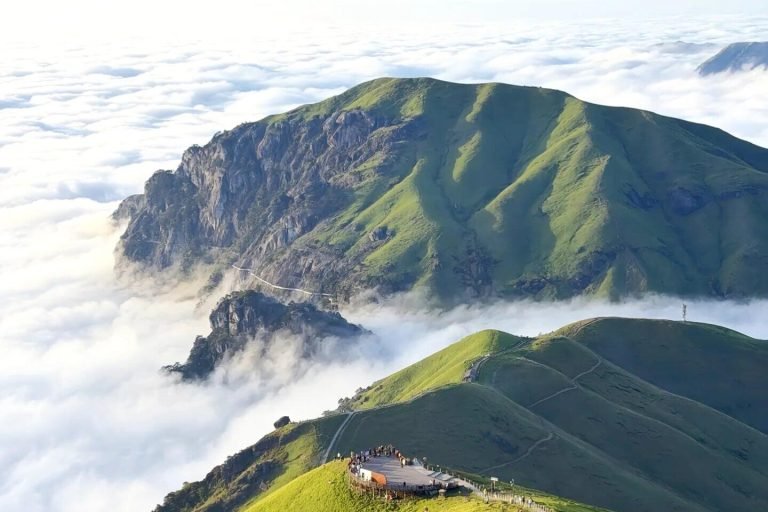
Best China Tours 2026 are not about squeezing the greatest number of cities into the fewest possible days; they are about choosing the right route for the way you want to experience China. For a first-time luxury traveler, the classic Beijing–Xi’an–Shanghai circuit remains the strongest all-round introduction, while Yunnan is better for landscapes and slow travel, Chengdu for food and pandas, Zhangjiajie for dramatic mountain scenery, and Shaanxi for travelers who want to go deeper into China’s ancient history. In 2026, Xiora Travel’s own portfolio reflects exactly this distinction: curated private journeys can begin with focused five- or six-day regional experiences, while the company recommends an 8–12 day Golden Triangle journey through Beijing, Xi’an and Shanghai for first-time visitors.
✨ At a Glance
- The Core Reality in 2026: The best first-time China route is usually an 8–12 day Beijing–Xi’an–Shanghai journey, while shorter trips should focus on one region rather than adding too many flights.
- Crucial Advice: Choose your itinerary around your primary interest—history, nature, food, architecture, or slow luxury—because China’s enormous size makes a highly focused route more rewarding than a checklist itinerary.
- The Xiora Solution: Xiora Travel turns these routes into 100% private, no-shopping journeys with bilingual local guides, premium transportation, hand-picked accommodation, and flexible pacing.
What Are the Best China Tours for 2026?
There is no single itinerary that deserves to be called the best for every traveler.
China is a country of extraordinary geographic and cultural contrast. The imperial courtyards of Beijing have little in common with the rice terraces and mountain valleys of Yunnan. The tea houses of Chengdu belong to a different rhythm from the futuristic skyline of Shanghai. Zhangjiajie’s mist-covered sandstone peaks feel almost otherworldly compared with the archaeological silence surrounding the Terracotta Army in Xi’an.
For a premium traveler, the question should therefore be less about finding a universal “best tour” and more about finding the itinerary that creates the greatest concentration of experiences you personally care about.
The following five routes stand out for 2026 because each one has a clear travel identity rather than being a random collection of famous attractions.
Top China Itineraries Compared
| Itinerary | Ideal Duration | Best For | Signature Experiences |
|---|---|---|---|
| Beijing → Xi’an → Shanghai | 8–12 days | First-time travelers | Great Wall, Forbidden City, Terracotta Army, Bund |
| Xi’an → Huashan → Shaanxi | 5–7 days | History and archaeology | Terracotta Army, ancient capital heritage, Mount Huashan |
| Kunming → Dali → Lijiang | 6–10 days | Nature and slow luxury | Ancient towns, mountain landscapes, lakes, local cultures |
| Chengdu → Dujiangyan → Sanxingdui | 3–6 days | Food, pandas and culture | Giant pandas, Sichuan cuisine, Sanxingdui archaeology |
| Zhangjiajie → Fenghuang | 5–7 days | Landscape and photography | Avatar-like sandstone peaks, mountain trails, ancient town atmosphere |
The most important distinction is not the number of attractions. It is the character of the journey.
1. Beijing, Xi’an and Shanghai: The Best China Tour for First-Timers
For travelers arriving in China for the first time, this is the route that makes the strongest overall argument.
It gives you the country’s imperial capital, one of its greatest archaeological discoveries, and its most internationally recognizable modern metropolis.
Beijing opens with scale. The Forbidden City is less a palace than a city within the city, with courtyards, ceremonial halls, vermilion walls and golden roofs arranged according to an imperial logic that governed court life for centuries.
Beyond the city, the Great Wall changes the emotional register completely. Instead of enclosed courtyards and ceremonial symmetry, you have mountain ridgelines, stone watchtowers and an enormous landscape unfolding below your feet.
Then comes Xi’an.
The city feels older, denser and more tactile. The Terracotta Warriors stand in the earth as if the army has simply paused for a moment, while the old city walls and Muslim Quarter bring ancient history into contact with contemporary local life.
Finally, Shanghai turns the page. The Bund’s historic facades face the illuminated towers of Pudong, and the Huangpu River becomes a moving line between China’s past and present.
For 2026, Xiora specifically recommends an 8–12 day Golden Triangle journey of Beijing, Xi’an and Shanghai for first-time luxury travelers. The company’s private model allows this route to be expanded or slowed rather than forcing guests into a fixed departure schedule.
This itinerary is strongest for travelers who want history, architecture, food, cultural context and a taste of modern China without spending half the holiday changing hotels.
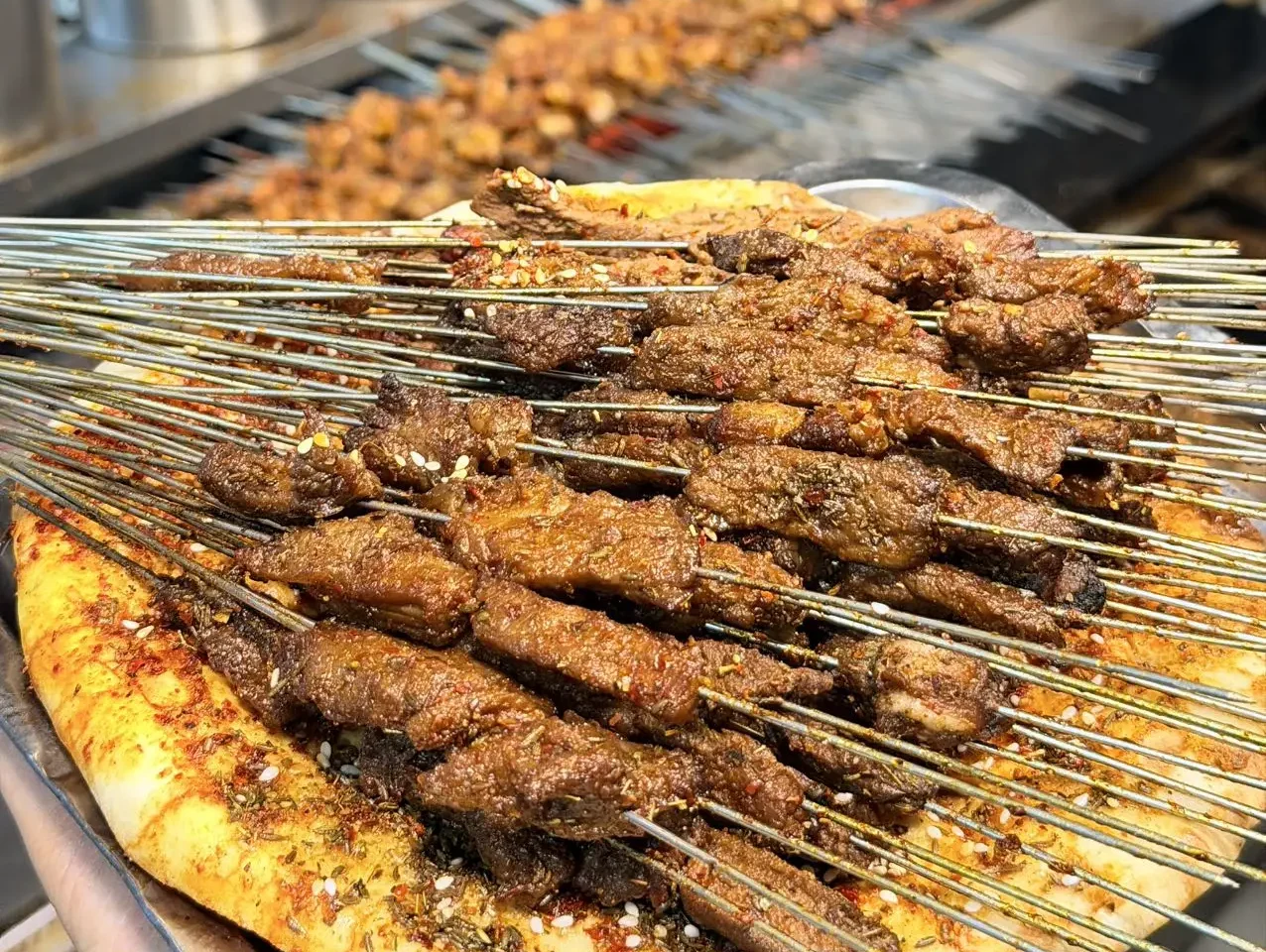
How Long Should You Spend on the Golden Triangle?
Eight days is workable, but ten to twelve days is more comfortable.
A sensible structure is three days in Beijing, three days in Xi’an and three or four days in Shanghai, with travel time integrated into the route instead of treated as dead space.
China’s high-speed rail network makes this especially practical. Xiora’s current 2026 travel guidance estimates Beijing–Xi’an at roughly 4.5–5.5 hours by high-speed rail and Xi’an–Shanghai at roughly 6–7 hours, with city-center rail stations often making the overall journey competitive with flying once airport transfers and security are considered.
For luxury travelers, the ideal question is therefore not “Which transport mode looks fastest on paper?” but “Which option gives me the most comfortable door-to-door day?”
2. Xi’an and Shaanxi: The Best China Tour for Deep History
Some travelers come to China for the Great Wall.
Others come because they want to stand in front of the Terracotta Army and understand how such a civilization was built.
For the second type of traveler, Shaanxi deserves more than a two-day stop.
Xi’an was the capital of thirteen dynasties and a major eastern terminus of the Silk Road. The city therefore offers an unusually dense concentration of imperial history, religion, archaeology, architecture and food culture.
Xiora’s currently published regional journeys include a five-day Xi’an private tour focused on the ancient capital and Tang culture from $880, a six-day Shaanxi itinerary combining the Terracotta Army with Hukou Waterfall from $1,080, and a seven-day Shaanxi route incorporating Mount Huashan, the Yellow River and the Terracotta Warriors from $1,350. Prices are published starting rates and can change according to dates, accommodation, party size and customization.
The longer Shaanxi route is particularly interesting for travelers who dislike the idea of seeing an archaeological site in ninety minutes and then immediately getting back on a bus.
You can devote a full morning to the Terracotta Army, spend an afternoon understanding Xi’an’s ancient city, and then move into landscapes and mountain culture around Huashan.
The difference is subtle but important. You are no longer simply visiting Xi’an. You are using Xi’an as a base for understanding the wider historical geography of northwest China.
3. Yunnan: The Best China Tour for Scenery and Slow Luxury
For travelers who have already experienced major Asian capitals and want something more atmospheric, Yunnan may be the most compelling choice.
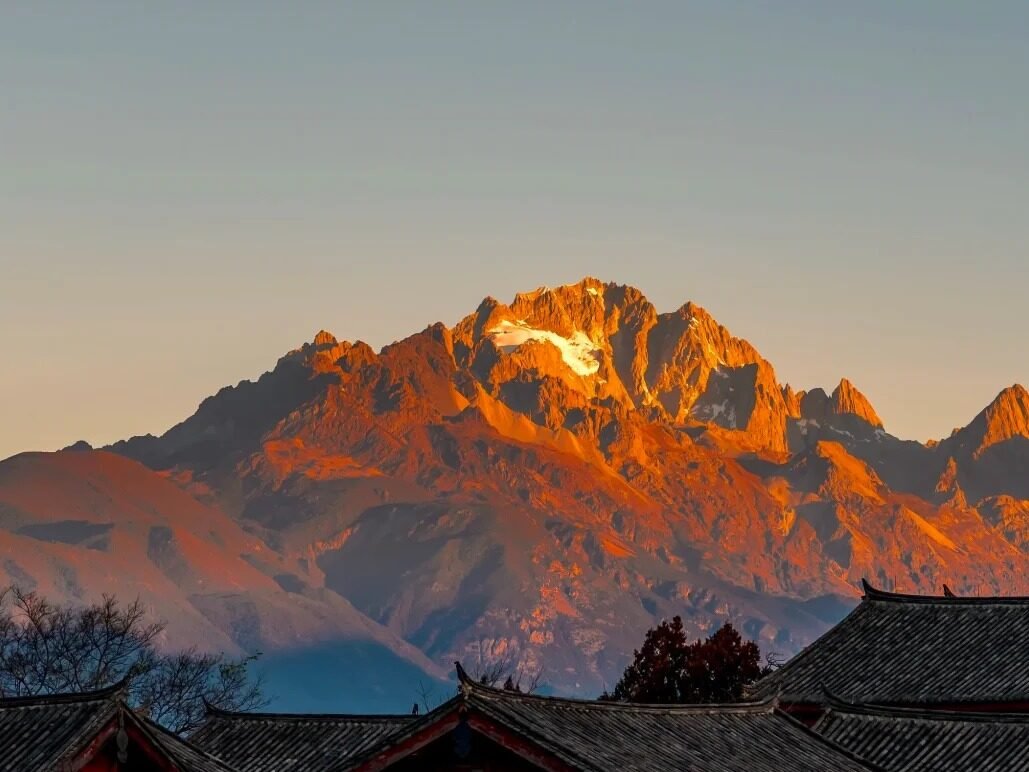
The province feels like a gradual change in altitude, temperature and color. Mountain silhouettes appear through morning mist. Stone streets in old towns remain cool underfoot. Tea, flowers, grilled meats and slow-cooked dishes create aromas that seem to linger in the air after the meal is finished.
A classic route begins in Kunming before moving toward Dali and Lijiang, with additional time available for higher-altitude landscapes and more secluded retreats.
Xiora’s current portfolio includes a six-day “Mystical Yunnan” private itinerary covering Kunming, Dali and Lijiang from $1,280. The route is designed as a private experience and can be customized around accommodation, pace and interests.
Yunnan is particularly well suited to travelers who value beautiful hotels, scenic drives, local culture and unhurried mornings more than landmark density.
It is also a strong choice for couples.
The best moments in Yunnan are often quiet ones: walking beside Erhai Lake in softer afternoon light, watching clouds gather around distant peaks, sitting over tea while the temperature drops after sunset, or returning to a courtyard hotel where the day’s pace finally slows.
4. Chengdu and Sichuan: The Best China Tour for Food Lovers and Pandas
Chengdu is one of the few destinations where the food alone could justify the trip.
The city is famous for its Sichuan cuisine, but stopping at hotpot would miss the point. The region’s culinary identity includes Sichuan pepper, fermented flavors, chili oil, smoked ingredients, noodles, dumplings and a remarkable variety of street food.
Then there are the pandas.
Chengdu combines soft visual appeal with unexpectedly deep history. A traveler can spend the morning with giant pandas, the afternoon exploring Sichuan culture, and another day visiting Dujiangyan or the Bronze Age discoveries at Sanxingdui.
Xiora’s current Chengdu offering is a three-day private “Chengdu Essentials” journey covering Giant Pandas, Sanxingdui and Dujiangyan, with a published starting price of $600.
For travelers with additional time, Chengdu works particularly well as a four- to six-day extension to Beijing or Xi’an rather than as the entire China trip.
The city is also excellent for families because the itinerary can mix high-interest cultural experiences with a more relaxed daily rhythm.
5. Zhangjiajie and Fenghuang: The Best China Tour for Dramatic Landscapes
There is a point at which China stops looking merely beautiful and starts looking surreal.
Zhangjiajie is that point.
Its towering quartz-sandstone formations rise from deep valleys and disappear into fog, creating the kind of landscape that seems almost too theatrical to be real.
For photographers, hikers and travelers who prioritize scenery over museums, Zhangjiajie can outperform the standard China circuit.
The surrounding area also allows a route toward Fenghuang Ancient Town, where wooden architecture, riverfront houses and evening lanterns create a completely different atmosphere.
Xiora identifies Zhangjiajie as one of its core private destinations alongside Beijing, Xi’an, Chengdu and Yunnan, positioning the region specifically for travelers looking for dramatic natural landscapes.
The trade-off is geographic efficiency. Zhangjiajie does not fit as naturally into the classic Beijing–Xi’an–Shanghai triangle, so adding it to a short trip can create unnecessary transit.
For that reason, it is better treated as the centerpiece of a landscape-focused journey or as a deliberate extension to a longer China itinerary.
Which China Itinerary Is Best for You?
The right answer becomes much easier when the decision is made around travel personality rather than destination popularity.
- First time in China: Choose Beijing, Xi’an and Shanghai.
- Deep history and archaeology: Choose Xi’an and Shaanxi.
- Nature and quiet luxury: Choose Yunnan.
- Food, pandas and family travel: Choose Chengdu and Sichuan.
- Photography and dramatic landscapes: Choose Zhangjiajie.
The mistake is assuming that the itinerary with the most famous names is automatically the best itinerary.
For a luxury traveler, the best itinerary is often the one where every day reinforces the reason you chose the destination.
Standard China Tour vs. a Bespoke Private Journey
A route can be excellent on paper and still feel disappointing when it is delivered at the wrong pace.
The difference becomes especially apparent when travelers compare fixed group tours with a private itinerary designed around their own priorities.
| Feature | Standard Option | Xiora Luxury Standard |
|---|---|---|
| Itinerary Design | Fixed route designed for a broad audience | 100% bespoke route based on your interests, dates and preferred pace |
| Group Format | Shared coach or group departure | Private party only, with a maximum group size of 8 guests |
| Guiding | Shared guide following a set schedule | Dedicated bilingual local guide focused exclusively on your group |
| Transportation | Shared or standard scheduled transfers | Private vehicle plus coordinated high-speed rail or domestic flights |
| Shopping | May vary by operator | 100% zero-shopping policy |
| Flexibility | Limited changes once the itinerary is confirmed | Itinerary can be adjusted before and, where practical, during the journey |
Xiora’s current package information states that its published itineraries are starting points rather than rigid departures. They are fully customizable, privately operated, capped at eight guests, and designed around private transportation, bilingual guides, premium accommodation and coordinated domestic logistics.
“The best China itinerary is not the one that shows you the most places; it is the one that gives each place enough time to become memorable.”
How Many Days Do You Really Need in China?
The ideal trip length depends on whether this is a focused regional journey or your first comprehensive visit.
5–6 Days
Best for one-region travel.
This length works beautifully for Xi’an and Shaanxi, Yunnan, Chengdu, or Zhangjiajie. Trying to combine more than two major regions in six days usually creates an itinerary dominated by transportation.
7–8 Days
Best for a compact cultural journey.
Beijing and Xi’an fit naturally into this timeframe, particularly for travelers who want a strong historical introduction without adding Shanghai.
10–12 Days
Best for first-time travelers who want the classic China experience.
This is the sweet spot for Beijing, Xi’an and Shanghai, with enough time to include the Great Wall, major imperial sites, the Terracotta Army, local food, private cultural experiences and a relaxed Shanghai finale.
14 Days or More
This is where China begins to open up beyond the standard first-time route.
You can add Chengdu, Zhangjiajie, Guilin, Hangzhou, Suzhou or Yunnan without automatically turning the trip into a race.
What Makes a China Tour Feel Truly Luxury?
Luxury in China is not simply a five-star hotel attached to a standard sightseeing schedule.
The best journeys are defined by what happens between the headline attractions.
It is having a private vehicle waiting after a long flight rather than figuring out the airport alone.
It is knowing that your bilingual guide understands both the historical context and your personal interests.
It is being able to spend three hours at the Terracotta Army because you are fascinated instead of leaving after ninety minutes because the group itinerary says so.
It is having a restaurant recommendation based on your actual palate rather than a generic tourist menu.
It is choosing first-class high-speed rail when the train creates a more elegant door-to-door day, and choosing a flight when geography makes rail inefficient.
It is also the absence of things that should never have been there in the first place.
Xiora’s published positioning is deliberately built around this idea: private travel, no shopping stops, local expertise and coordinated logistics, rather than a low headline price followed by commercial detours and rigid schedules.

2026 Travel Planning: What Has Changed?
China’s travel environment continues to evolve quickly, particularly for international visitors.
One major development is the expanded 240-hour visa-free transit program. As of August 20, 2026, China had expanded the program to 57 eligible countries, allowing qualifying travelers with the required onward itinerary to stay for up to 240 hours, or ten days, under the applicable transit rules. Eligibility depends on nationality, passport, routing and entry conditions, so travelers should verify the current official requirements before booking around the policy.
This is especially relevant to short luxury itineraries because ten days is almost perfectly aligned with the classic Beijing–Xi’an–Shanghai format, but the visa-free transit framework has specific routing requirements and should never be treated as a universal substitute for a tourist visa.
The other major consideration is seasonality.
October can be spectacular across northern China, but China’s National Day Golden Week runs from October 1 through October 7 in 2026 and is one of the busiest domestic travel periods of the year. Popular attractions, premium hotels and intercity transport can become substantially more competitive during that window.
For a high-end private trip, date selection is therefore not a minor detail. It is part of the itinerary itself.
When Is the Best Time to Take These China Tours?
Spring and autumn are generally the most versatile seasons for a multi-region China itinerary, but the ideal month depends on your chosen route.
For Beijing and the Great Wall, crisp autumn weather can be particularly rewarding, while Yunnan may be attractive during spring and autumn when hiking and sightseeing are more comfortable.
Chengdu is a year-round destination, although travelers should consider humidity and rainfall when planning extended outdoor excursions.
Zhangjiajie is especially atmospheric when mist interacts with its towering sandstone formations, but wet conditions can also affect hiking and visibility.
Xiora’s current seasonal guidance highlights April–May and September–November as particularly strong periods for luxury travel across many regions, while also emphasizing the importance of avoiding the October 1–7 Golden Week crowds.
How to Choose Between the Five Best China Tours
Start by answering one question: What do you want to remember most vividly six months after returning home?
If your answer is the Great Wall at sunrise, ancient capitals and the transformation from imperial China to modern Shanghai, choose the Golden Triangle.
If your answer is archaeological depth and the history of the Qin and Tang worlds, spend more time in Shaanxi.
If you imagine yourself beside a mountain lake with nowhere to be for an afternoon, choose Yunnan.
If you are already thinking about chili oil, tea houses and pandas, go to Chengdu.
If your ideal China photograph has mist, cliffs and impossible vertical landscapes, choose Zhangjiajie.
And if two or three of those answers sound equally compelling, that is exactly when a tailor-made route becomes more valuable than a fixed package.
Travel Without the Friction
At Xiora Travel, our expert bilingual guides handle every logistical detail, ensuring a seamless, 100% no-shopping luxury experience. Your time belongs to the journey.
Explore Private Journeys ↗Why Xiora’s Current China Portfolio Is Different
Xiora’s 2026 portfolio is deliberately narrower than the catalog of a mass-market operator.
Instead of trying to sell every possible Chinese destination at once, the company currently concentrates on destinations where its local team can add genuine value: Xi’an, Beijing, Chengdu, Yunnan and Zhangjiajie. It also presents its itineraries as starting points for customization rather than fixed group departures.
This matters because the luxury travel customer is rarely looking for the cheapest way to cover China.
They are looking for the most intelligent way to use their time.
A published six-day Yunnan itinerary can become eight days with an additional mountain retreat. A three-day Chengdu experience can become a longer Sichuan journey. A Xi’an trip can be extended into Huashan and the Yellow River region. A first-time traveler can begin with Beijing and Xi’an before continuing east to Shanghai.
The route remains recognizable, but the experience stops being generic.
That is the real advantage of bespoke planning in a country this large.
For travelers who want to start from Xiora’s existing routes rather than design an itinerary from scratch, the company’s current China tour portfolio provides a useful starting point. For travelers with more specific priorities, its tailor-made service allows the route, pace, accommodation and destinations to be adjusted around the traveler.
What Should You Avoid When Booking a China Tour in 2026?
The first red flag is an itinerary that tries to cover too much geography too quickly.
If a ten-day schedule includes Beijing, Xi’an, Chengdu, Zhangjiajie, Guilin and Shanghai, ask how much of the holiday will actually be spent traveling between them.
The second red flag is a suspiciously low price without a clear inclusion list.
Ask whether the quotation includes premium accommodation, private guides, private vehicles, attraction tickets, domestic transportation, airport transfers and meals.
The third is vague language around shopping.
Terms such as “cultural demonstration,” “local factory visit,” or “optional retail experience” deserve clarification if your objective is an entirely shopping-free journey.
The fourth is a rigid itinerary sold as “luxury.”
Luxury should create more control, not less.
The Best China Tours 2026: Our Final Ranking
Best overall for first-time travelers: Beijing → Xi’an → Shanghai.
Best for history enthusiasts: Xi’an → Huashan → Shaanxi.
Best for couples and slow luxury: Kunming → Dali → Lijiang.
Best for food and families: Chengdu → Dujiangyan → Sanxingdui.
Best for landscape and photography: Zhangjiajie → Fenghuang.
There is no wrong answer among them.
The wrong answer is simply choosing an itinerary because it is famous rather than because it matches the experience you actually want.
For a first visit, however, Beijing, Xi’an and Shanghai still deserve the top position because they tell the most complete story in the shortest practical amount of time: imperial power, archaeological history, Silk Road culture, high-speed modernity, sophisticated dining and one of the world’s most dramatic urban skylines.
China is too vast to see completely in one holiday.
The art is choosing the route that makes you want to return.
Frequently Asked Questions
What is the best China tour for a first-time visitor in 2026?
The strongest all-round first-time route is Beijing, Xi’an and Shanghai over approximately 8–12 days. It combines the Great Wall and Forbidden City with the Terracotta Army and ancient Xi’an, then finishes with Shanghai’s modern skyline, historic neighborhoods and dining scene.
Which China itinerary is best for luxury travelers?
For a first trip, the Beijing–Xi’an–Shanghai Golden Triangle is usually the most complete luxury itinerary because it combines major cultural icons with efficient high-speed rail connections and excellent hotel choices. Yunnan is especially attractive for travelers who prefer secluded resorts, mountains and a slower pace, while Shaanxi is stronger for travelers who prioritize history and archaeology.
How many days do I need for the best China tour?
Five to seven days works well for a focused regional journey such as Xi’an, Yunnan, Chengdu or Zhangjiajie. For a first-time multi-city trip, 10–12 days is a much better target because it allows Beijing, Xi’an and Shanghai to be experienced without turning the itinerary into a sequence of rushed transfers.
Planning resources: For official information on China’s current visa-free transit framework, consult the Government of China 240-hour visa-free transit guidance. For the cultural significance of the Great Wall, see UNESCO’s Great Wall World Heritage listing.