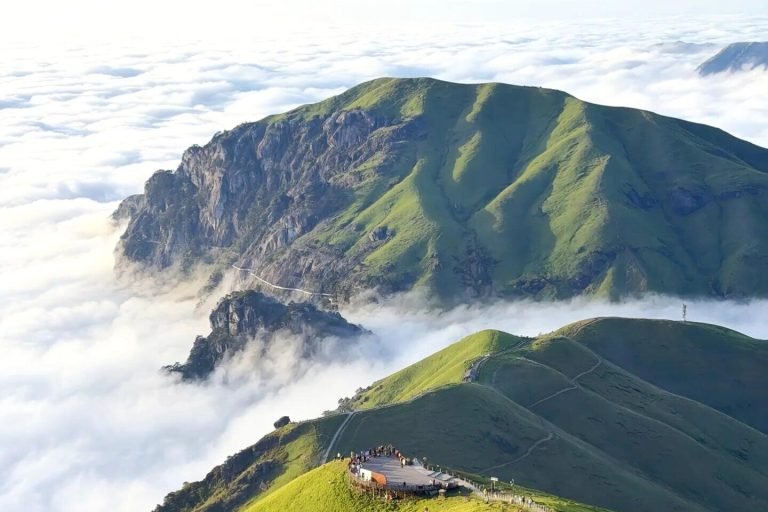
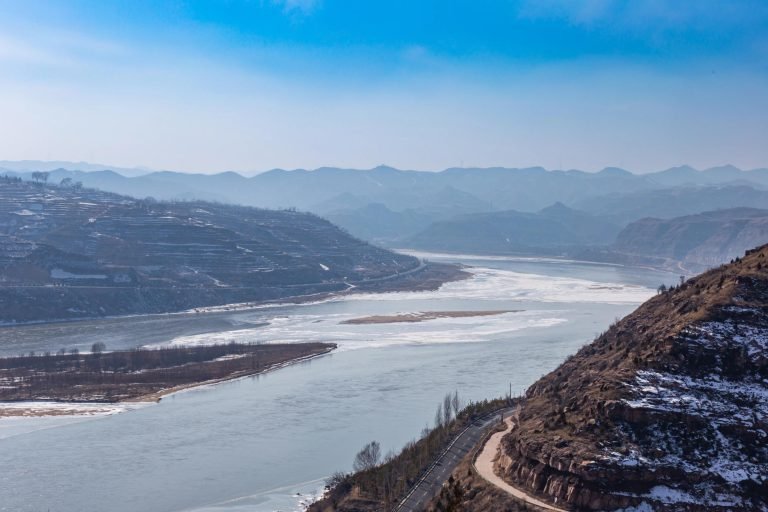
This luxury Yunnan itinerary is built for one kind of traveler: someone who has read enough about Lijiang Old Town’s cobblestones and Shangri-La’s monasteries to know they want to experience them properly — which means privately, without a shopping stop in sight, with enough time at each location to move at the pace the landscape actually demands. Yunnan is China’s most geographically and ethnically diverse province, and the arc from Dali at 2,000 metres to Shangri-La at 3,200 metres passes through three entirely distinct minority cultures, two UNESCO World Heritage sites, one of the world’s deepest river gorges, and a set of boutique properties — the Linden Centre in Xizhou, the Banyan Tree Ringha in the Tibetan highlands — that place guests inside living heritage rather than beside a reproduction of it. Ten days is the minimum to do this arc justice. This is how Xiora Travel structures those ten days.
✨ At a Glance
- The Core Reality in 2026: The Dali–Lijiang–Shangri-La corridor spans 350 kilometres across three altitude bands (2,000m → 2,400m → 3,200m) and the territories of the Bai, Naxi, and Tibetan ethnic minorities — three distinct cultures, cuisines, and architectural traditions within a single itinerary arc, best covered in 10 days minimum.
- Crucial Advice: Banyan Tree Ringha — the finest luxury property on this circuit — has only 32 villas and averages around ¥1,900 per night; rooms in October (peak foliage + clearest skies) sell out 4–6 months in advance. Altitude sickness is a real planning consideration at Shangri-La (3,200m): build in at least one dedicated rest day on arrival.
- The Xiora Solution: Xiora Travel’s private Yunnan circuit is 100% no-shopping, fully private, and paced to match altitude acclimatisation — with a dedicated bilingual guide for the full 10 days, private vehicles throughout, all property reservations handled, and an emergency RMB float for the handful of remote village vendors who still prefer cash.
The Itinerary at a Glance: Structure and Philosophy
This luxury Yunnan itinerary follows the classic northwest arc — Kunming arrival, then Dali (3 nights), Lijiang (3 nights), Shangri-La (3 nights) — but differs from a standard tour circuit in three structural ways. First, the pace: three nights minimum at each destination allows for genuine exploration and a single rest day without the exhausted itinerary-ticking that collapses most group tours. Second, the properties: every accommodation is selected for architectural authenticity and small scale rather than brand recognition alone. Third, the absence of shopping: not a single jade emporium, silk factory, or “cultural demonstration that concludes at the gift shop” appears anywhere in the ten days. Every hour belongs to the client.
Movement between cities is entirely by private vehicle north of Kunming. High-speed rail connects Kunming to Dali in approximately two hours (First Class on the Yunnan-Guizhou high-speed line), but from Dali onward the road is the right choice: the Dali–Lijiang and Lijiang–Shangri-La drives are two of the finest private vehicle days in southwest China, and compressing them into train connections sacrifices the experience of watching the landscape change altitude by altitude. Xiora’s vehicles are air-conditioned private Mercedes Vito minivans or V-Class people carriers, with rear seats reconfigured for comfort on longer drives. For clients flying directly into Lijiang or Shangri-La, the itinerary adjusts accordingly. For a deeper look at how domestic transport decisions interact with itinerary design across China, our complete guide to bullet trains versus domestic flights covers every major route.
“Yunnan is not a province you race through. It is one you descend into — altitude by altitude, culture by culture — until, somewhere on the high plateau above Shangri-La, you realize you have been traveling for days without once checking the time.”

Dali — Erhai Lake, Bai Villages, and the Tea Horse Road
A beautifully restored Bai merchant mansion in the village of Xizhou, 15km north of Dali Old Town. The Linden family’s restoration of four interconnected Qing-dynasty courtyard compounds — with traditional Bai architecture, curated library, and farm-to-table meals sourced from the surrounding valley — delivers a quality of immersion unavailable at any of Dali’s chain properties. Fewer than 20 rooms. Reserve 2–3 months ahead for October. Alternative: Hotel Indigo Dali Erhai by IHG for guests preferring a lake-view pool property with a contemporary design approach.
Day 1 — Arrival and Orientation. Arrive Kunming Changshui International Airport; private vehicle meets you airside with your Xiora guide. High-speed rail Kunming South to Dali takes approximately 2 hours in First Class. Xiora’s guide handles the station navigation, luggage, and seat confirmation — you board with nothing to manage. Check in to the Linden Centre in Xizhou by late afternoon. The evening belongs to the first impression of Erhai Lake from the village embankment: the water turns copper at sunset, the Cangshan mountains hold snow on their upper ridges even in May, and the silence of a Bai agricultural village after dark is a different register entirely from the Dali Old Town tourist district three kilometres south.
Day 2 — Three Pagodas, Xizhou Market, and the Erhai Ecological Corridor. Begin at the Three Pagodas of Chongsheng Temple (崇圣寺三塔) at opening time — three Tang-dynasty towers dating to the 9th century CE, arranged in a symmetrical triangle whose proportions, reflected in the rectangular pool that fronts the complex, produce one of the most composed architectural panoramas in southern China. The site receives fewer visitors in the first hour of the day than at any other point; arrive early. The broader Chongsheng Temple complex behind the pagodas spans four kilometres and is almost entirely unexplored by the visitors who photograph the towers from the front gate and leave. Spend an hour in the complex’s upper terraces, where Cangshan fills the entire western skyline.
Mid-morning: the open-air market at Xizhou village, which draws Bai vendors from across the surrounding countryside on rotating market days. This is not a tourist market — it is a working agricultural and craft exchange where the produce includes varieties of dried mushroom, lacquered gourd, and hand-dyed batik fabric specific to the Bai tradition of this valley. Your guide navigates in the local Bai dialect; the vendors’ surprise at a foreigner arriving with fluent cultural context is, reliably, the beginning of a genuine exchange. Afternoon: cycle the 27.5-kilometre Erhai Ecological Corridor along the lake’s western shore, past fishing villages and vegetable plots and the occasional heron motionless in the shallows. The corridor is flat, well-surfaced, and offers a continuous panorama of the lake and Cangshan that no vehicle window can replicate.
Day 3 — Zhoucheng Tie-Dye Village and the Shaxi Ancient Town (Optional Extension). Zhoucheng, north of Xizhou, is the centre of Yunnan’s traditional tie-dye production — a technique using Bai-developed indigo-resist methods dating to the Tang dynasty that continues as a living craft rather than a museum demonstration. A private workshop session here with a practising craftsperson (not a tourism performance) is the kind of experience Xiora’s local contacts make possible. If time permits, the ancient Tea Horse Road market town of Shaxi — 95 kilometres south of Lijiang, midway along today’s transfer route — is an optional forty-five-minute detour whose Friday market, drawing hill-tribe traders from surrounding valleys, is worth building the departure time around.
Lijiang — Naxi Old Town, Jade Dragon Snow Mountain, and the Baisha Frescoes
Perched above Lijiang Old Town on a terraced hillside with an unobstructed view of Jade Dragon Snow Mountain, Amandayan’s 35 pavilion suites are built in the Naxi architectural tradition — heavy timber frames, upturned eaves, and private walled gardens — with Aman’s characteristic absence of noise, schedule, or commercial pressure. The location above the old town’s tourist lanes delivers the visual character of Lijiang without the evening amplified music. Advance booking: 4–6 months for October–November. Alternative: Jinmao Purelax Lijiang (the Unbound Collection by Hyatt) for a more contemporary property with direct lake access.
Day 4 — Transfer and Arrival; Black Dragon Pool at Dusk. Private vehicle from Dali, with the optional Shaxi stop as noted above. Arrive Lijiang by early afternoon; check in and rest. The single non-negotiable first activity in Lijiang is Black Dragon Pool Park (黑龙潭公园) in the late afternoon, ideally between 4:30pm and 6:00pm, when the tourist peak has passed and the Five Phoenix Pavilion’s reflection in the still pool catches the last light above Jade Dragon Snow Mountain. This is the image that defines Lijiang, and it requires only correct timing rather than special access — though a guide who positions you at the optimal reflection angle before the light shifts makes a genuine difference to the photograph.
Day 5 — Naxi Ancient Music, Jade Dragon Snow Mountain, and Baisha Frescoes. Morning: the Baisha frescoes at Fuguo Temple (福国寺), twelve kilometres north of the old town. A series of Yuan, Ming, and Qing dynasty Buddhist and Taoist murals covering the interior walls of a complex of small temples — subjects ranging from tantric deities to agricultural calendars — that have survived five centuries in almost miraculous condition thanks to Baisha’s obscurity. They are visited by perhaps a few hundred people in a year, in a town that receives millions. Your guide’s knowledge of the iconographic programme — who the figures are, what the narrative sequences mean, and why the stylistic shifts between dynasties are visible in the pigment handling — transforms them from beautiful decoration into a legible document of how Yunnan’s syncretic religious culture absorbed influences from Tibet, Han China, and Southeast Asia simultaneously.
Afternoon: a cable car ascent to 4,506 metres on Jade Dragon Snow Mountain — high enough to walk on permanent glacial ice, though the altitude demands care. Xiora schedules this on Day 5 rather than Day 4 specifically to allow twenty-four hours of acclimatisation at Lijiang’s 2,400-metre baseline before the cable car ascent. Supplemental oxygen is available at the summit; your guide carries a portable canister as standard. Evening: a private session with the Naxi Ancient Music Orchestra — twelve musicians averaging over seventy years of age, performing on instruments whose designs have not changed in a thousand years, in a restored performance space near the old town’s central square. The orchestra preserves Tang and Song dynasty court compositions lost on the Chinese mainland but surviving in Naxi ceremonial tradition. Seats are limited; Xiora books in advance.
Day 6 — Rest and Old Town; Shuhe Ancient Village at Dusk. A deliberately unscheduled morning at Amandayan — breakfast on the private pavilion terrace with Jade Dragon Snow Mountain in the near distance, the old town’s tiled rooflines below. The afternoon’s single commitment is Shuhe Ancient Village (束河古镇), four kilometres north of Lijiang Old Town — a smaller, less trafficked version of Dayan, with a working leather craft industry that predates the tourism economy and a central spring pool whose surface reflects the surrounding willow canopy in a way that the busier old town’s channels do not. Arrive by 4:30pm; the vendors close early, the light thickens, and Shuhe after 5:30pm is nearly empty.
| Feature | Standard Group Yunnan Tour | Xiora 10-Day Luxury Standard |
|---|---|---|
| Duration Dali–Shangri-La | 4–5 days total, rushed | 10 days; 3 nights per destination; dedicated rest day at Shangri-La |
| Dali Accommodation | City centre 4-star chain; buffet breakfast | The Linden Centre, Xizhou — restored Bai merchant mansion, farm-to-table meals, fewer than 20 rooms |
| Lijiang Accommodation | Pullman or Hilton Lijiang; standard modern resort | Amandayan — 35 Naxi-style pavilion suites above the old town; Jade Dragon Snow Mountain panorama |
| Shangri-La Accommodation | Shangri-La Hotel (city centre); conventional 5-star | Banyan Tree Ringha — 32 authentic Tibetan farmhouse villas in Ringha Valley; oxygen in rooms |
| Tiger Leaping Gorge | Roadside viewpoint, 20 minutes, back to coach | 2–3 hours: upper gorge trail section + lower viewpoint; gorge-rim picnic; private vehicle throughout |
| Shopping Stops | 2–4 per day (jade, silver, Yunnan tea, medicinal herbs) | Zero — contractual no-shopping guarantee across all 10 days |
| Altitude Preparation | Not addressed; clients manage independently | Acclimatisation day built in at Shangri-La; O₂ at Banyan Tree Ringha; Diamox briefing pre-tour; guide carries portable O₂ canister for cable car day |
Shangri-La — Tiger Leaping Gorge, Songzanlin Monastery, and Pudacuo
32 authentic Tibetan farmhouse villas, assembled from relocated original farmhouse structures in Ringha Valley, 18km from Shangri-La town (approx. 30 minutes by private vehicle). Each villa features earthen fireplaces, brightly coloured wooden posts with intricate carvings, private verandahs overlooking the valley river, and an oxygen machine in the bedroom for altitude acclimatisation. Average rate: approximately ¥1,900 per night. Reserve 4–6 months ahead for October; the 32-villa capacity means availability closes early. The “Spirit of Shangri-La” all-inclusive programme covers guided excursions, meals, and internal transport — ask Xiora for the current 2026 package details.
Day 7 — Transfer via Tiger Leaping Gorge. The transfer from Lijiang to Shangri-La is not an interruption in the itinerary — it is one of its centrepiece days. The route via the G214 highway through Tiger Leaping Gorge (虎跳峡) takes the private vehicle along the rim of the Jinsha River canyon — the upper Yangtze, forcing itself between Jade Dragon Snow Mountain (5,596m) and Haba Snow Mountain (5,396m) in a vertical drop of 3,790 metres. The upper gorge trail, walkable in approximately 2–3 hours for the most rewarding section, drops to a series of viewpoints where the river’s full compressed force becomes audible well before it is visible — a sustained, geological thunder from 300 metres below. A gorge-rim picnic lunch, prepared by the Amandayan kitchen and packed in a thermal hamper, is the correct way to use the middle of this day. The lower viewpoint, a 15-minute descent from the vehicle, delivers the river at close range: too close, in fact, to photograph usefully, but close enough that the physical scale of the gorge becomes something you feel in your chest rather than simply observe.
Arrive at Banyan Tree Ringha in the late afternoon. The first evening is deliberately unscheduled — dinner in the lodge’s timber-framed restaurant, the earthen fireplace lit, and an early night at 3,200 metres. The altitude’s effect on sleep is real and manageable with the bedroom oxygen, but the body needs the first night to adjust. Do not plan anything ambitious for this evening.
Day 8 — Acclimatisation Day: Dukezong Ancient Town and Ringha Valley Walk. A pace-appropriate day designed to let the body adjust to altitude without inactivity. Morning: Dukezong Ancient Town (独克宗古城), the original Tibetan enclave within Shangri-La city, 18km from the Banyan Tree. A 1,300-year-old settlement of whitewashed stone houses, prayer hall lanes, and incense-fragrant alleyways that survived a 2014 fire in its eastern section and has been partially reconstructed — the western precincts remain original and largely free of tourism infrastructure. The enormous prayer wheel at the town’s heart, claimed to be the largest in the world, is turned by residents at dawn and dusk. Arrive at 8:30am for the morning rotation. Afternoon: a gentle 90-minute valley walk from the Banyan Tree Ringha through the adjacent village and along the river below the lodge — flat, well-signed, and calibrated precisely for an altitude rest day.
Day 9 — Songzanlin Monastery and Pudacuo National Park. The two defining experiences of Shangri-La, best done in this order. Songzanlin Monastery (松赞林寺), founded in 1679 by the Fifth Dalai Lama and housing approximately 700 monks across a hilltop complex of gilded rooftops, whitewashed residential buildings, and interconnected courtyards, is the largest Tibetan Buddhist institution in Yunnan. Arrive by 8:00am — before the public opens — via the approach from the lama residential complex rather than the tourist gate. Your Xiora guide’s standing relationship with the monastery administration makes the pre-opening exterior access reliable: the gilded rooftops are lit by the low morning sun at this hour, the main prayer hall’s chanting carries across the outer courtyard, and the pilgrim circuit — clockwise around the main complex, prayer wheels turning — takes approximately forty-five minutes before the first tourist coaches arrive.
After Songzanlin, transfer 22 kilometres southeast to Pudacuo National Park (普达措国家公园), protecting the Shudu and Bita Lakes at 3,539 and 3,538 metres respectively. The park operates a designated eco-vehicle circuit; Xiora arranges the transport so that the lake sections are walked at the client’s own pace rather than a timed shuttle schedule. In autumn, the surrounding larch stands turn amber-gold against the grey limestone peaks — the colour contrast that makes Pudacuo in October one of the most visually affecting landscapes in all of Yunnan. Allow four to five hours for the full circuit.
Travel Without the Friction
At Xiora Travel, our expert bilingual guides handle every logistical detail, ensuring a seamless, 100% no-shopping luxury experience. Your time belongs to the journey.
Plan Your Luxury Yunnan Itinerary ↗Day 10 — Final Morning; Departure from Shangri-La Airport. Shangri-La Diqing Dêqên Airport (DIG) is a compact, manageable facility with domestic connections to Kunming, Chengdu, and Beijing. Your Xiora guide accompanies to the departure gate, managing check-in, luggage, and the WeChat-based boarding procedures that domestic Chinese airports now use as standard. The final morning, before the airport transfer, belongs to a return to the Ringha Valley: the lodge’s breakfast service runs from 7:30am on the private verandah, with the valley mist still below the treeline and the Hengduan Mountains occupying the entire eastern horizon in cold morning clarity. This is, more often than not, the image clients carry home from this luxury Yunnan itinerary — not the monastery’s gilded rooftops, not the gorge’s thunder, but a valley of extraordinary quiet and a cup of Tibetan butter tea, still warm.

Practical Notes for This Luxury Yunnan Itinerary
Several operational details specific to the Yunnan arc deserve explicit mention for travelers accustomed to the logistical frictionlessness of western destinations.
- Altitude and medication: Acetazolamide (Diamox), the standard pharmacological prophylaxis for altitude sickness, should be discussed with a travel medicine physician before departure and typically started 48 hours before ascending to Shangri-La. The Banyan Tree Ringha provides supplemental oxygen in all rooms and can arrange medical consultation on property. Xiora’s guides carry portable oxygen canisters for the Jade Dragon Snow Mountain cable car day and any other high-altitude excursions. Do not attempt the Pudacuo lake circuit on the same day as the cable car ascent.
- Visa status: Citizens of the UK, most EU nations, Australia, and New Zealand currently enter China visa-free for up to 30 days — sufficient for this 10-day itinerary with days to spare. US and Canadian citizens currently benefit from a 240-hour (10-day) transit exemption for specific regional zones, though Yunnan province coverage should be confirmed before departure. Our full visa and entry requirements guide for 2026 covers every nationality in detail.
- Digital payments and connectivity: Alipay and WeChat Pay cover the overwhelming majority of transactions in Dali, Lijiang, and Shangri-La. In remote valley villages and at Tiger Leaping Gorge guesthouses, cash (RMB) is still preferred — your Xiora guide maintains an emergency float at all times. A pre-arrival international eSIM with a VPN configured before landing is essential for accessing Google, WhatsApp, and cloud backup. Full guidance at our Alipay, WeChat Pay, and Great Firewall guide.
- Best season: September to early November is the peak season for this itinerary — clear skies over Jade Dragon Snow Mountain, amber larch stands at Pudacuo, warm days at Erhai Lake, and Banyan Tree Ringha at its most photogenic. Spring (March–May) is excellent for Dali’s camellia season and Erhai’s wildflower edges. Avoid Golden Week (1–7 October): Lijiang Old Town becomes functionally impassable and Banyan Tree Ringha’s rooms are fully committed six months out.
- Packing for altitude: Days at Shangri-La (3,200m) can be mild (12–18°C in October), but nights drop sharply (0°C to −5°C). The Banyan Tree Ringha’s earthen fireplaces and heavy Tibetan blankets manage the indoor temperature; for outdoor evenings in Dukezong or the Songzanlin pre-dawn walk, a down mid-layer and windproof shell are essential. Camera batteries drain 30–35% faster at altitude in cold temperatures — carry two full sets.
Frequently Asked Questions
How many days do I need for a luxury Yunnan itinerary covering Dali, Lijiang, and Shangri-La?
Ten days is the minimum for a genuinely immersive luxury Yunnan itinerary covering all three destinations — three nights per location with a dedicated rest day at Shangri-La for altitude acclimatisation. Group tours that advertise Dali–Lijiang–Shangri-La in four or five days are compressing an experience that fundamentally cannot be compressed without losing the slow-travel quality that makes Yunnan extraordinary. A twelve or thirteen-day version of this itinerary allows for the optional Songtsam Benzilan Lodge extension north of Shangri-La — a further 90 kilometres along the Mekong River valley, with positions at the edge of the Tibetan cultural heartland — or a return via Lijiang with time for the full Jade Dragon Snow Mountain trail rather than just the cable car summit. Xiora designs both versions; contact our concierge team to discuss which pacing suits your travel dates and fitness level.
What is the best boutique hotel in Shangri-La for a luxury Yunnan tour?
The Banyan Tree Ringha is the finest luxury property on the Yunnan–Shangri-La circuit and the clear recommendation for this itinerary. Its 32 villas are converted and extended authentic Tibetan farmhouse structures in Ringha Valley, 18km from Shangri-La town — not reproductions, but original buildings relocated and reimagined with Banyan Tree’s service standard. Each villa has an earthen fireplace, an oxygen machine for altitude acclimatisation, a private verandah overlooking the valley river, and room interiors with genuinely distinctive Tibetan craft detailing. The on-site team manages all excursion logistics including Songzanlin Monastery visits and Pudacuo transfers. Average rate is approximately ¥1,900 per night; book 4–6 months ahead for October. The Songtsam Shangri-La Linka is an excellent alternative for travelers wanting to be closer to Songzanlin Monastery, with Songtsam’s characteristic small-lodge format and outstanding food programme.
Is this luxury Yunnan itinerary suitable for first-time visitors to China?
Yes — and in some ways it is better suited to first-time visitors than China’s more complex eastern itineraries. Yunnan’s landscapes and minority cultures are genuinely distinctive from anything most Western travelers have encountered, yet the province’s infrastructure for tourism is well-developed, the distances are manageable by private vehicle, and the altitude arc from Dali to Shangri-La provides a natural pace-setter that prevents the over-scheduled exhaustion that affects many first-time China trips. The practical complexity — Alipay setup, eSIM configuration, altitude preparation — is handled entirely by Xiora before and during the journey. The one consideration for first-time visitors specifically is altitude: if you have no prior experience at elevations above 3,000 metres, discuss this with a physician before committing to the Shangri-La segment, and consider the Diamox protocol as a precautionary measure. The vast majority of travelers adapt well within twenty-four hours, but it is worth planning for rather than discovering on arrival.